December Edition | NUVIOR Canada Ingredient of the month | Kojic acid
What Is Kojic Acid


Kojic acid is a natural metabolite produced by certain types of fungi which acts to inhibit the production of melanin. When applied to the skin, this acid lightly exfoliates to reduce pigmentation, specifically helping stop the production of melanin. Unlike other acids that work by dissolving the bonds between the cells and exfoliating the skin, kojic acid works by inhibiting pigment production. It also has the added benefit of working well when paired with other skin-lightening ingredients.

How It Works
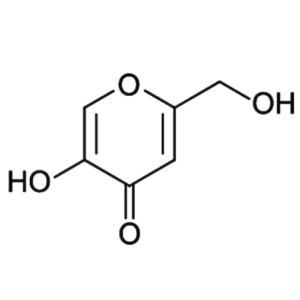
The science behind how kojic acid works as a lightening agent involves its effect on melanin production.

Melanin is a naturally occurring pigment in the body that gives the eyes, hair, and skin their color. An amino acid called tyrosine is needed to support the production of melanin.

Kojic acid works by blocking tyrosine from forming, which then prevents melanin production. Decreased melanin production may have a lightening effect on the skin.

Kojic acid is most commonly used in cosmetic products, such as creams, lotions, and serums. It is also used in some soaps. Many products with kojic acid are intended for use on the hands or face.

Benefits Of Kojic Acid
The pathway that leads to excess melanin or pigment is complex, but at the heart of the matter is an enzyme known as tyrosinase. Kojic acid blocks UV-activation of tyrosinase, thereby limiting the production of melanin. This means it can help lighten existing sunspots and photodamage, fade the dark marks left from acne scarring or after a pimple, and even improve melasma.

Kojic acid can help scavenge and counteract skin-damaging free radicals caused by exposure to things such as UV damage and pollution. This not only helps improve overall skin tone as well but also makes it a good general anti-aging ingredient. 
Kojic acid may also reduce the discoloration of scars. Although the acid does not improve the thickness of scar tissue, it may reduce dark pigmentation associated with certain types of scars. Lightening the scar may make it less noticeable.

Kojic acid is also thought to have some antifungal benefits. It may be helpful in preventing and treating certain fungal infections, such as athlete’s foot and yeast infections. Kojic acid may also provide antibacterial benefits. It may help decrease the chances of developing common types of bacterial skin infections.
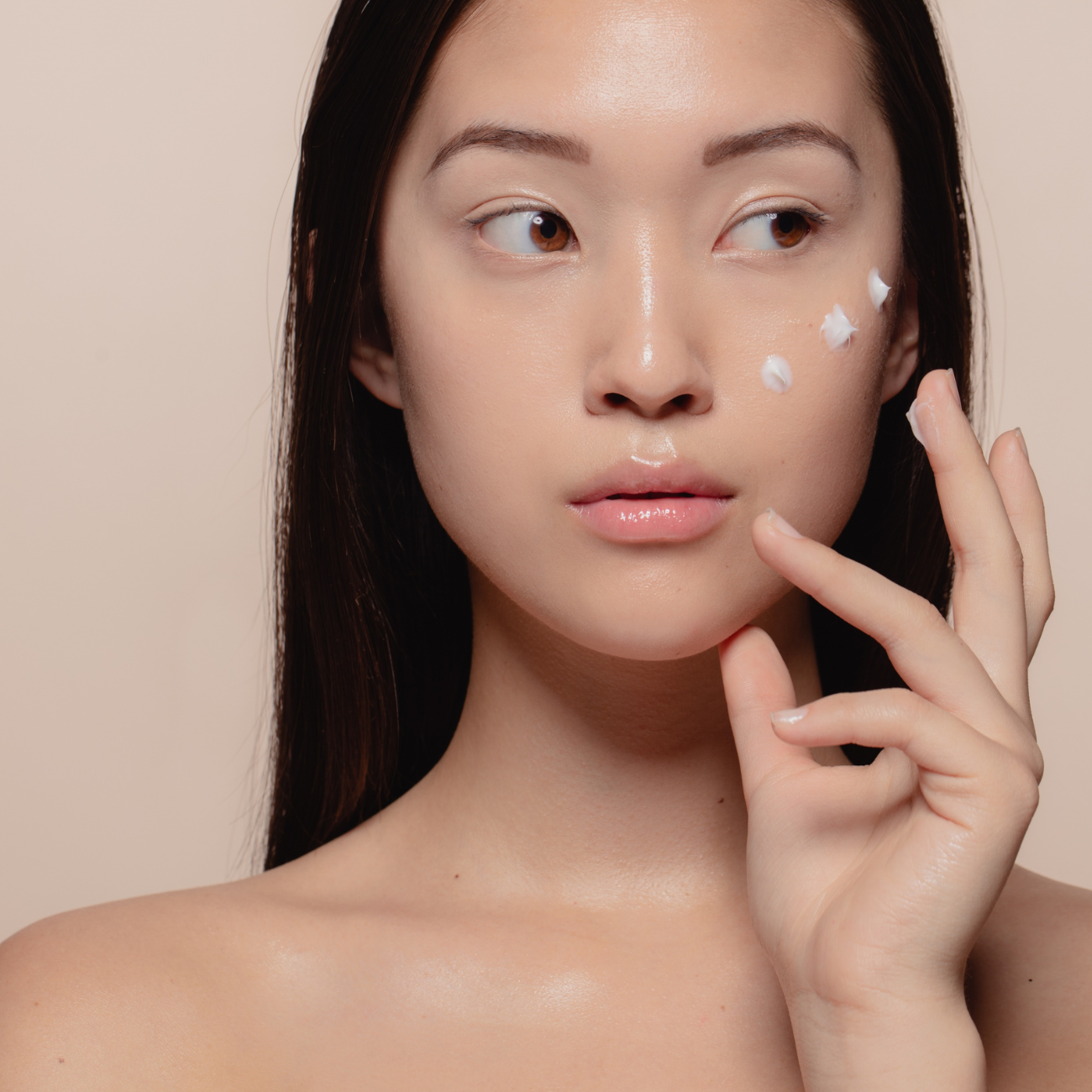

Fun Fact

Kojic acid was discovered in Japan in 1907 when the “new” compound was isolated from a fungus called aspergillus oryzae (also known as kōji mold) – aspergillus oryzae is used in Japanese food production to saccharify steamed rice, sweet potato, and barley in the making of alcoholic beverages, and also to ferment soybeans for making soy sauce and miso.

Food Sources
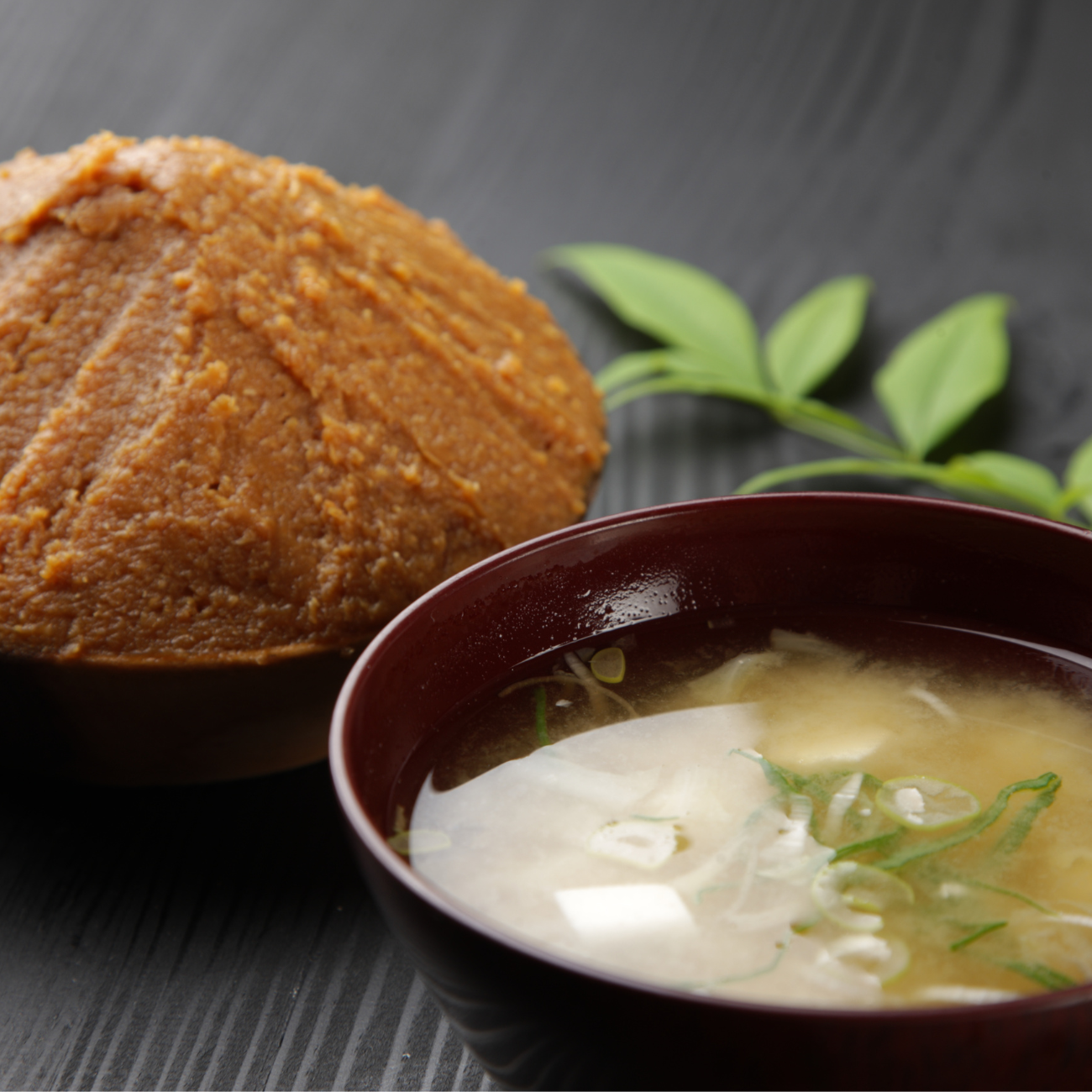
Kojic acid can be found in several common items of Japanese cuisine like:

  • Miso (the main component of miso soup is dried soybean paste that you dilute in hot water. Soybean paste contains a high level of kojic acid)
  • Soy sauce (kojic acid helps to preserve the flavor and shelf life of soy sauce)
  • Sake (to make sake, kojic malt is used in the fermentation process).

Our Skincare Top Picks
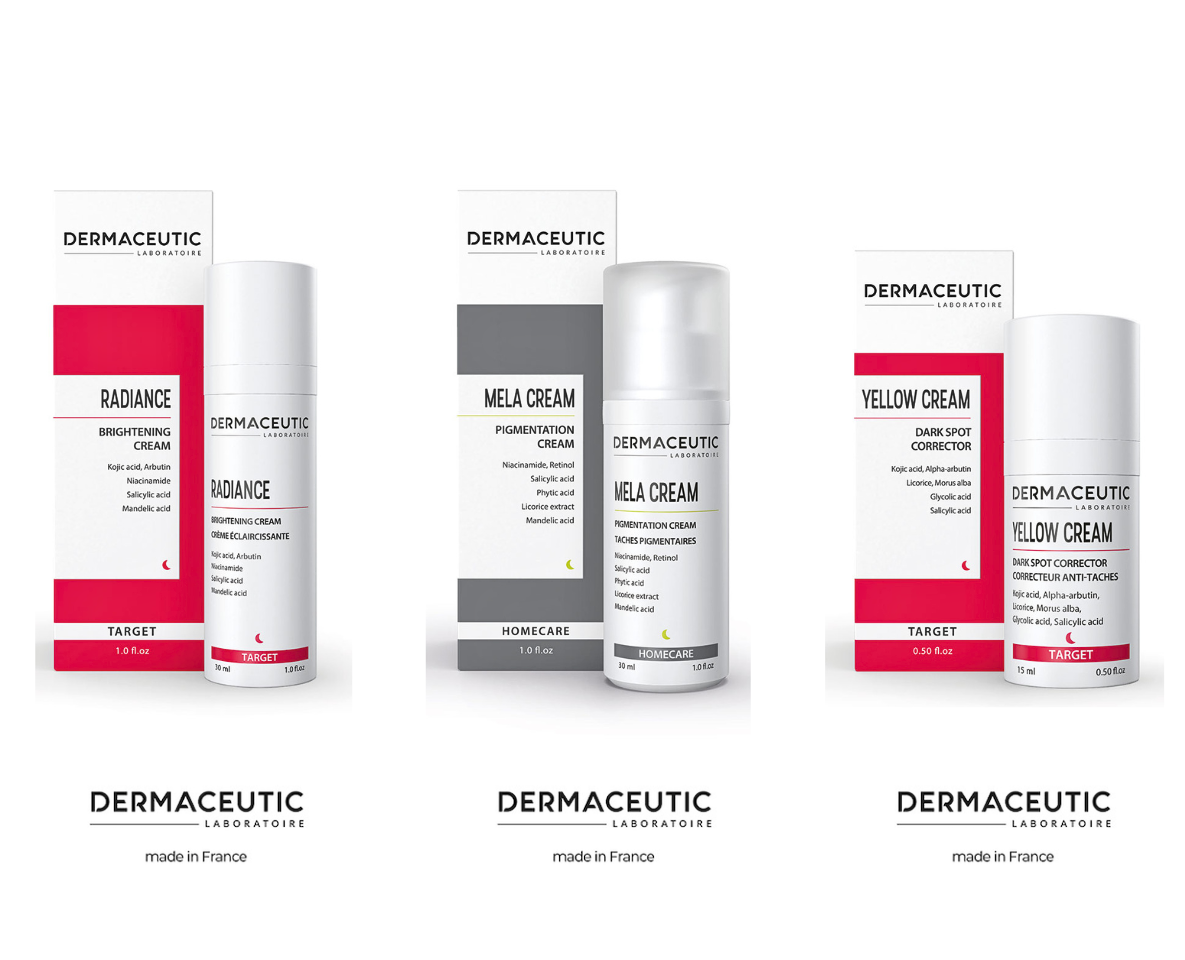
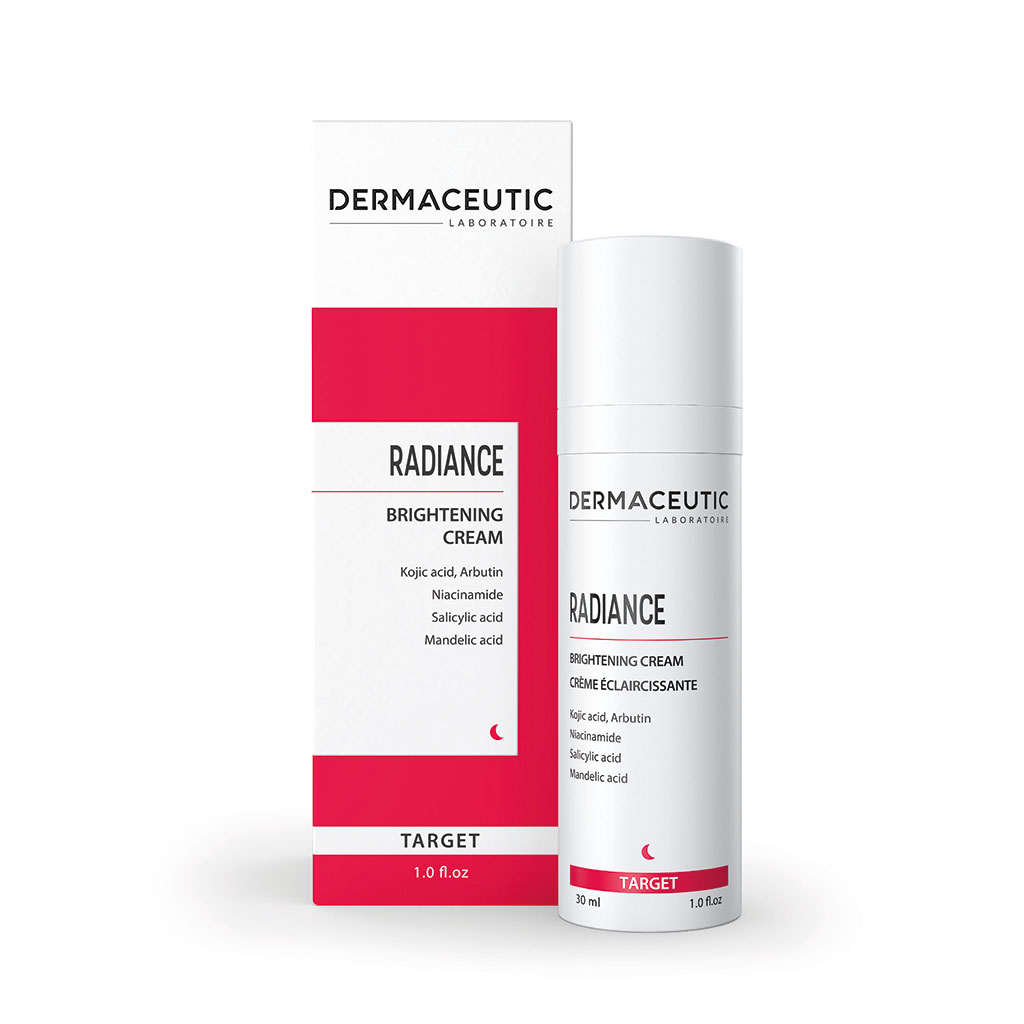
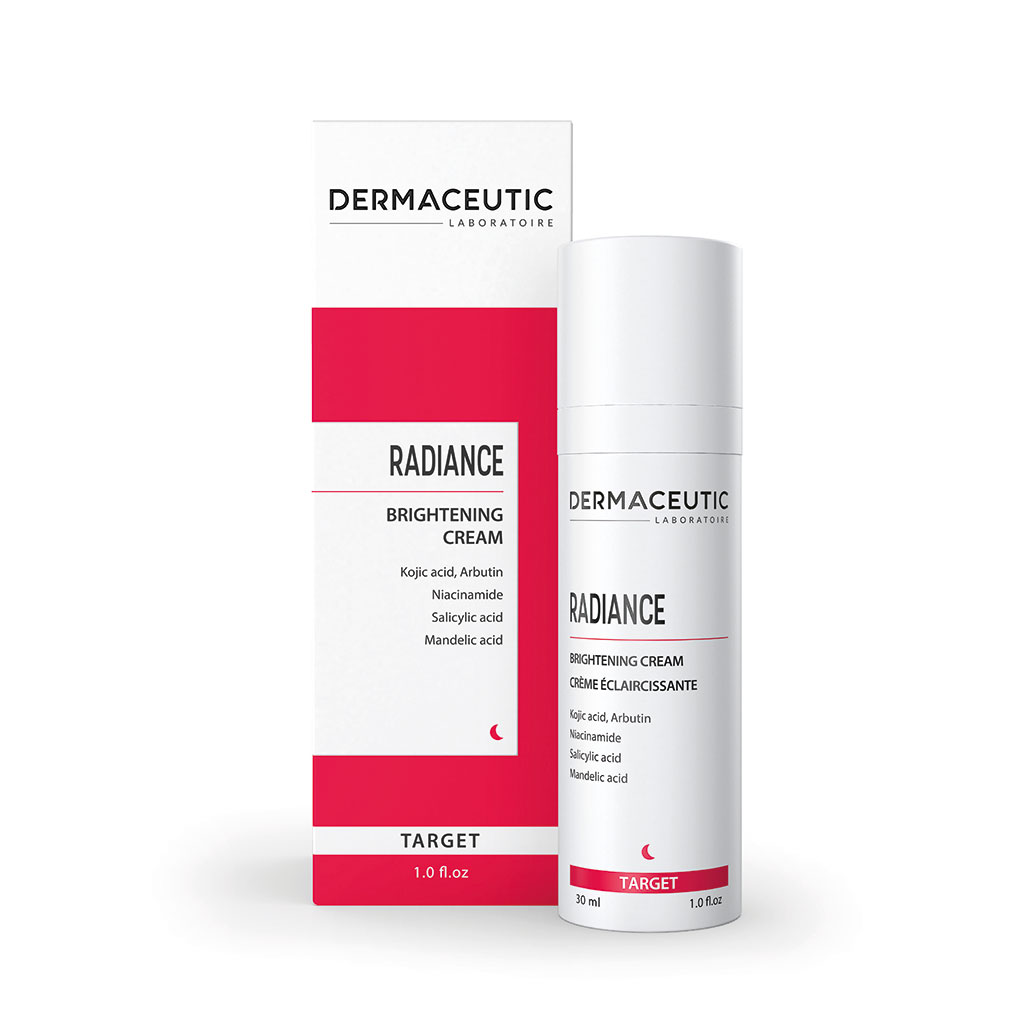
Radiance

Radiance gently exfoliates the skin and restores the skin’s radiance thanks to the synergy of high-performance acids and lightening agents in optimal concentrations. For dull complexion, uneven skin texture and skin tone. Fragrance free.

Active Ingredients: kojic acid, arbutin, niacinamide, salicylic and mandolin acids

Best for: homogenized complexion, reduction of pigment spots, skin luminosity
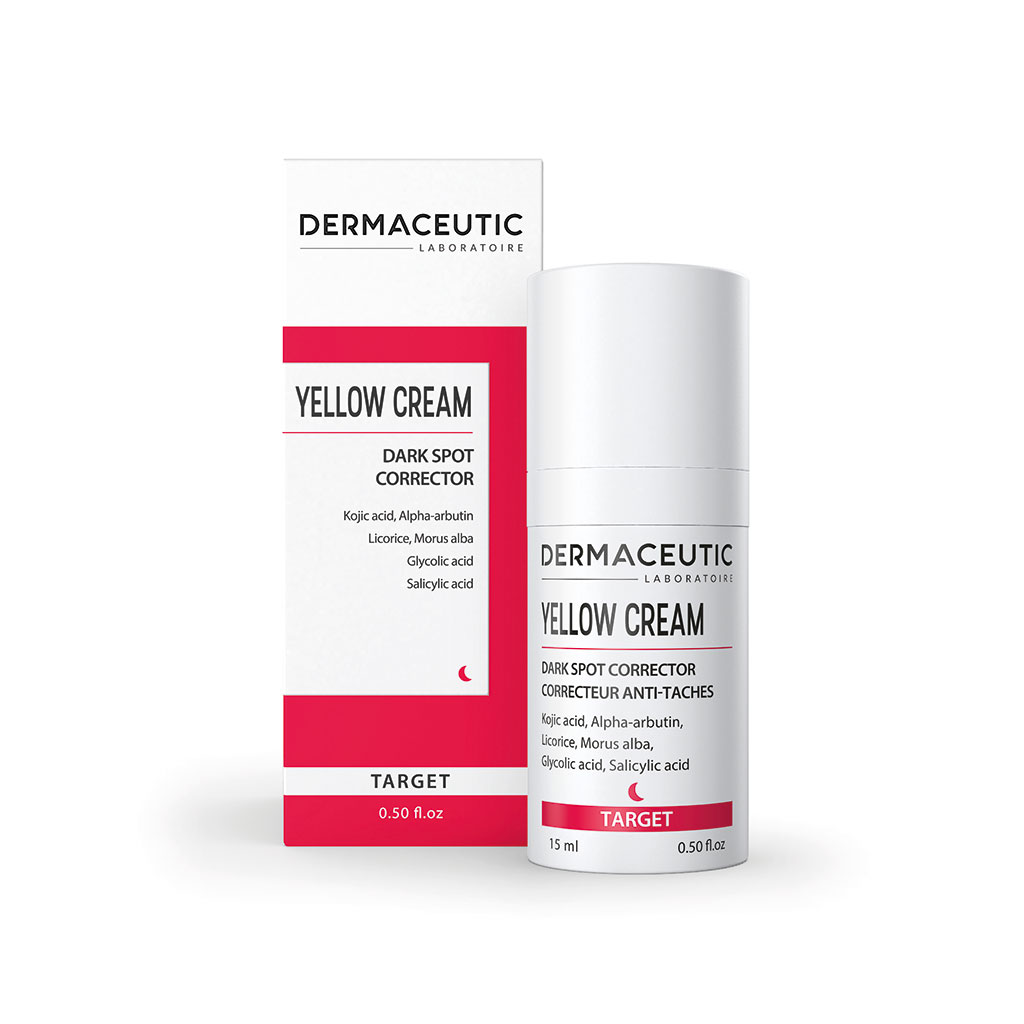
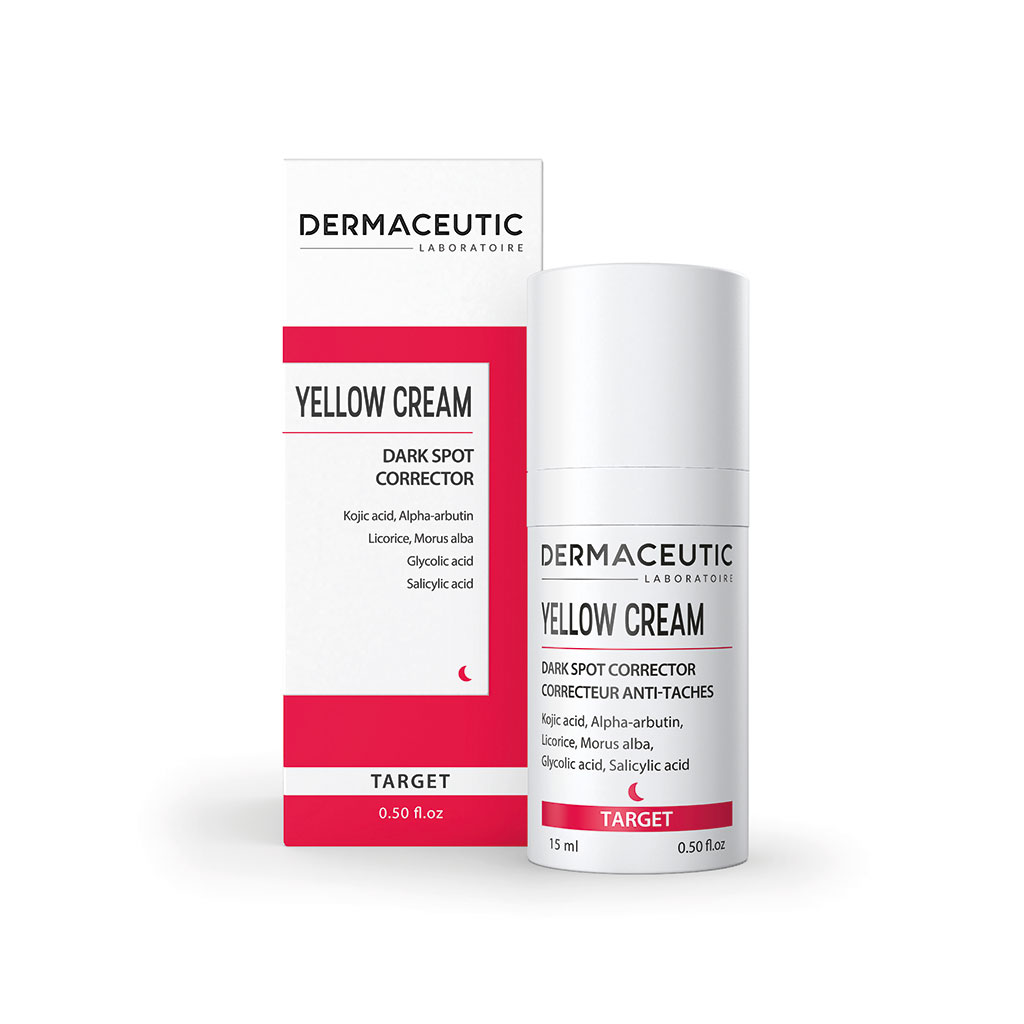
Yellow cream
Yellow Cream targets and reduces the appearance of dark spots thanks to optimally concentrated lightening agents associated with the exfoliating action of glycolic and salicylic acids. For dark spots, skin imperfections and irregular complexion. Fragrance free.

Active Ingredients: kojic acid, alpha-arbutin, licorice extract, modus alba extract, glycolic and salicylic acids

Best for: dark spots reduction, even complexion
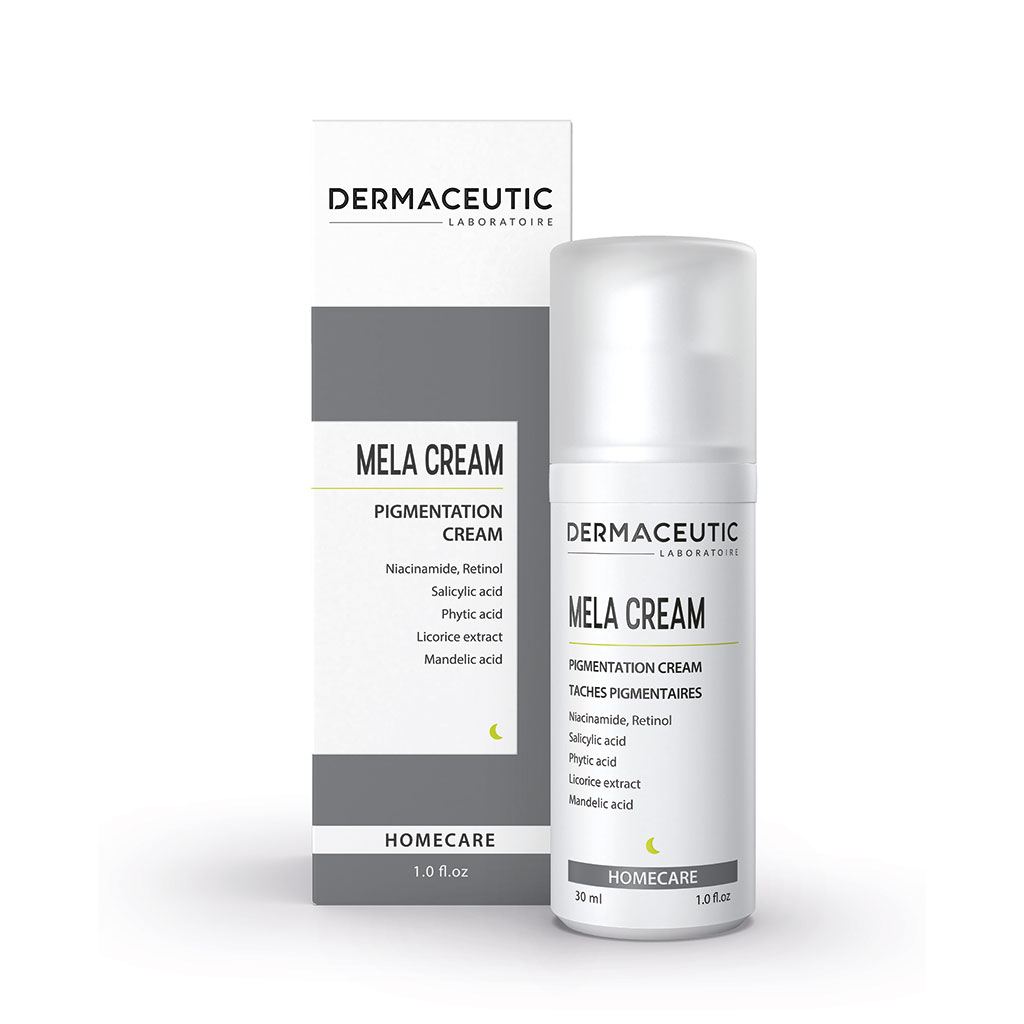
Mela cream

Mela Cream minimizes the appearance of pigment spots, harmonizes complexion and promotes an even skin tone. Fragrance free.

Active Ingredients: niacinamide, retinol, salicylic & mandelic acids, phytic acid, licorice extract

Best for: dark spots reduction, even complexion
November Edition | NUVIOR Canada Ingredient of the month | Tranexamic acid

What Is Tranexamic Acid


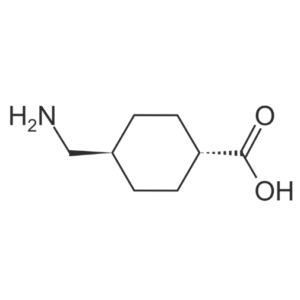
Tranexamic acid is an exciting topical ingredient to fade the look of several types of skin discolorations. Research shows tranexamic acid has the ability to prevent the growth of new blood vessels and the formation of melanin (aka skin pigment). This might be why topical tranexamic acid appears to help lighten dark spots from hyperpigmentation, melasma, or sun damage.

How It Works

Tranexamic acid seems to have a special ability to interact with an enzyme in skin known as plasmin and its precursor, plasminogen. Skin’s surface cells develop excess plasmin in response to radiation exposure like ultraviolet light from the sun and tanning salons. The excess plasmin triggers other substances in skin’s surface that in turn stimulate excess melanin production in skin’s lower layers, which eventually shows on the surface. Tranexamic acid works so well because it is able to interrupt multiple pathways related to surface discolorations.

Benefits Of Tranexamic Acid

The skin barrier, or outermost layer of your skin, serves as a shield that helps keep moisture in and toxins and irritants out. For people living with rosacea research suggests this barrier is often damaged to the point where it doesn’t work properly. Tranexamic acid’s ability of strengthening the skin barrier helps significantly reduce rosacea symptoms.

Tranexamic acid for the skin can act as a brightening agent to reduce dark spots and improve hyperpigmentation. It prevents the appearance of dark spots by removing the excess melanin formed. Tranexamic acid does this by blocking the hormones that cause pigment in the skin.

When used regularly, tranexamic acid helps minimise freckling due to spending too much time in the sun, which develops as part of the natural ageing process of the skin. Sometimes, acne breakouts can cause post-inflammatory erythema. These are stubborn red, pink, or purple patches of discoloration. Tranexamic acid appears helpful for lessening the appearance of these lesions, with little risk of serious side effects.

Tranexamic acid has shown to effectively soothe swelling from hereditary anjiodema a condition characterized by swelling round the eyes, lips, hands, and feet. However, more research is needed to know if it could dial down general redness or puffiness.

Fun Fact

Tranexamic acid plays well with pretty much any ingredient and it’s pregnancy-safe. Many dermatologists even recommend it as a treatment for pregnancy-induced melasma (also referred to as the “mask of pregnancy”).

Food Sources

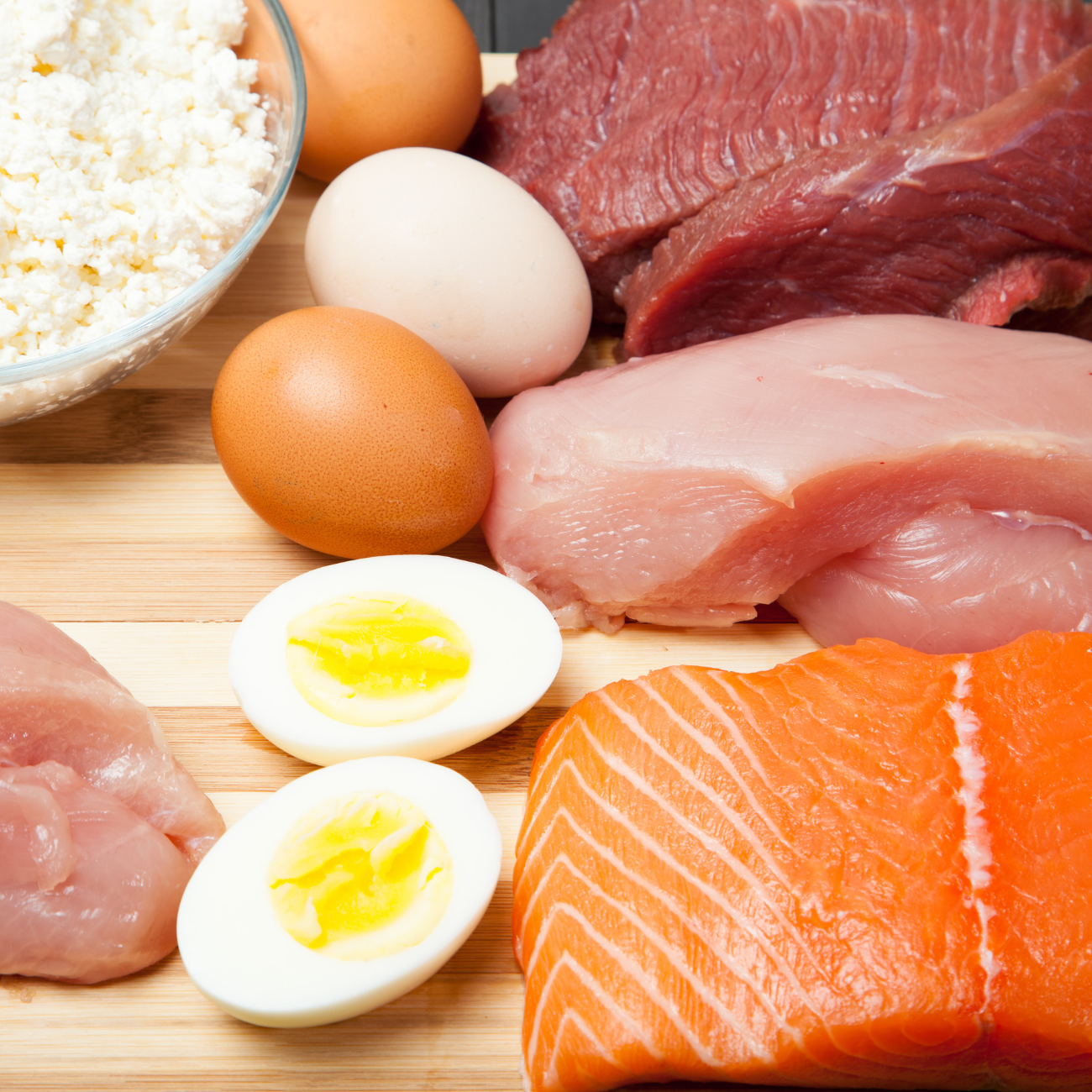
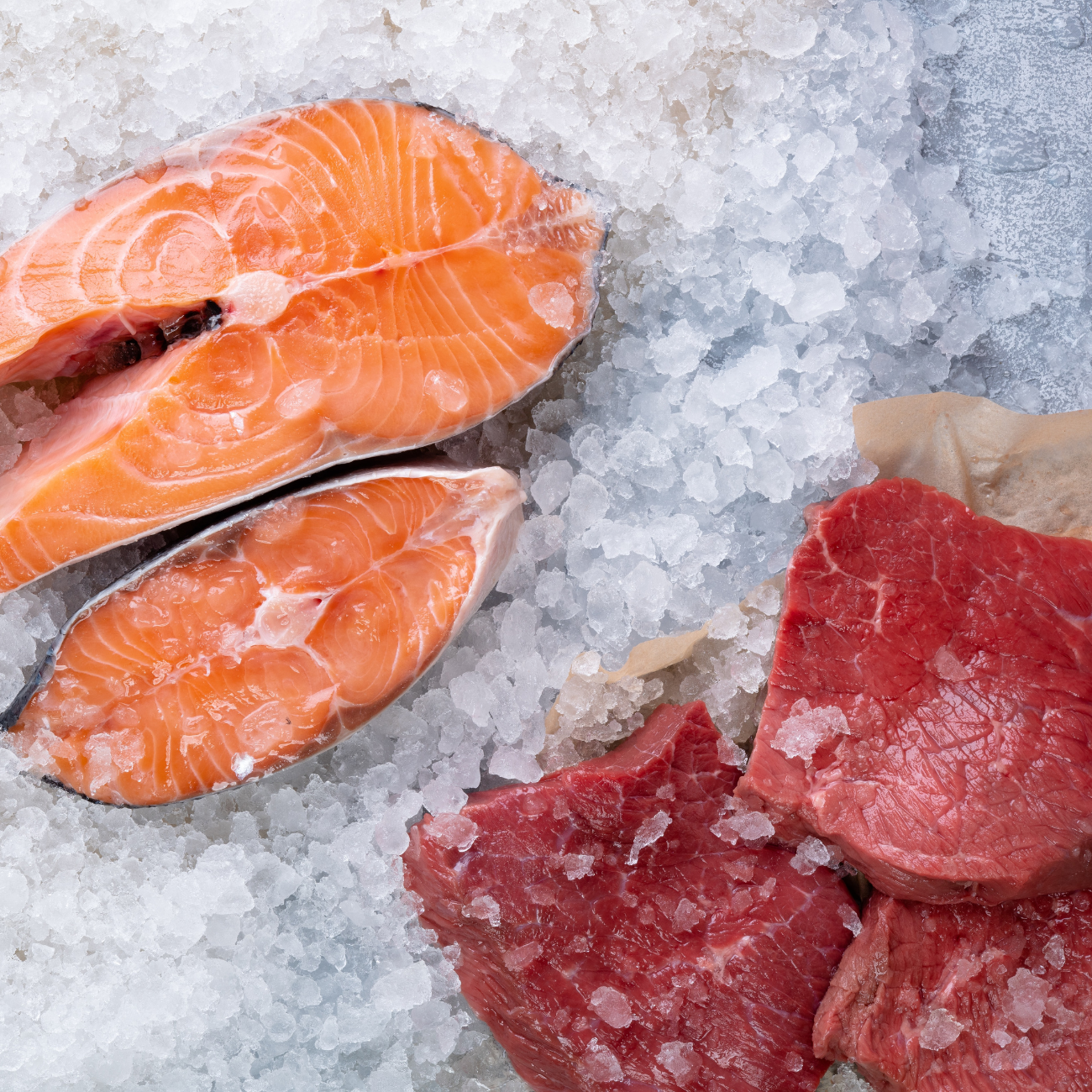
Tranexamic acid comes from the amino acid lysine. Good sources of lysine include foods that are rich in protein, such as:

  • Meat, specifically red meat, pork, and poultry.
  • Cheese, particularly parmesan.
  • Certain fish, such as cod and sardines.
  • Eggs.
  • Soybeans, particularly tofu, isolated soy protein, and defatted soybean flour.
  • Spirulina.
  • Fenugreek seed.

Our Skincare Top Picks

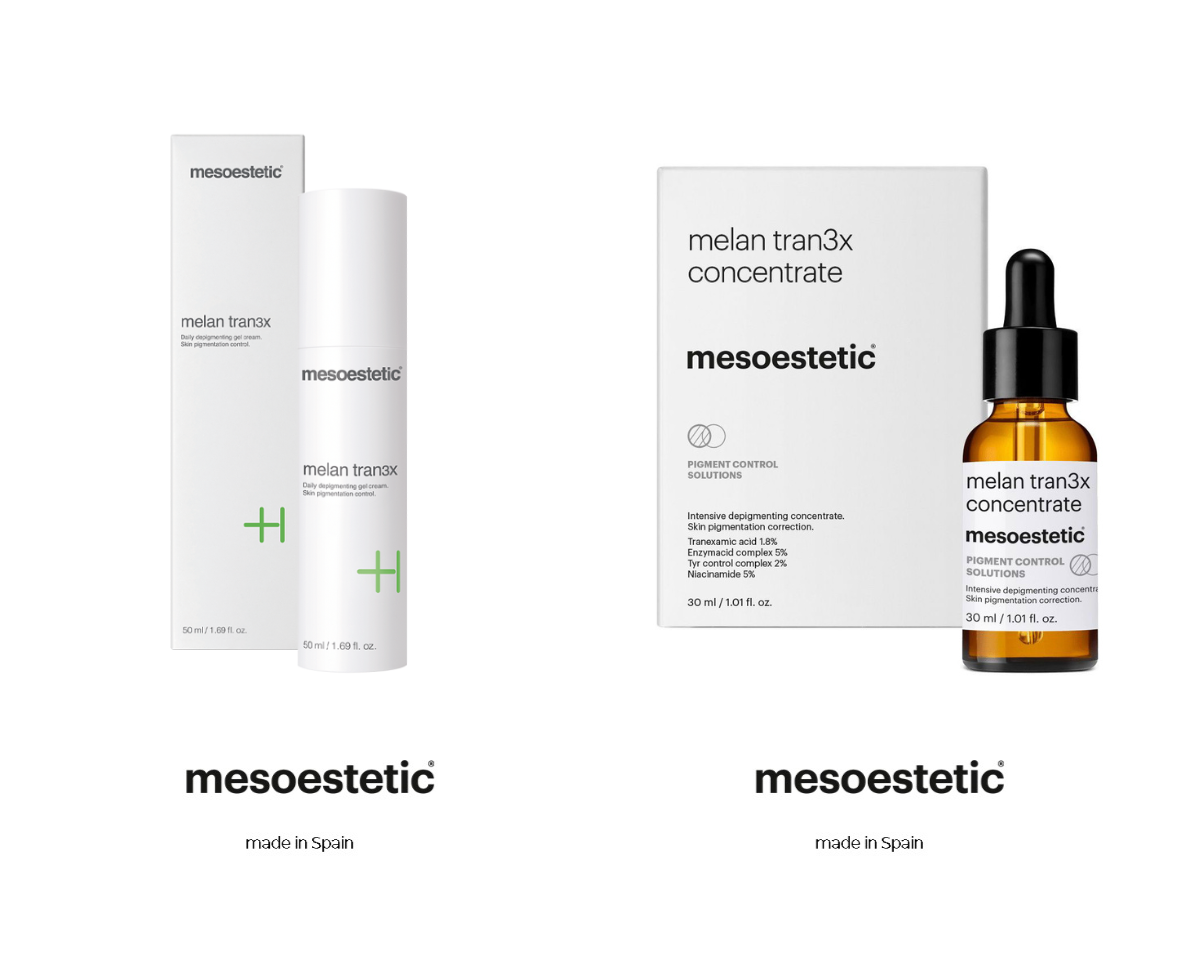
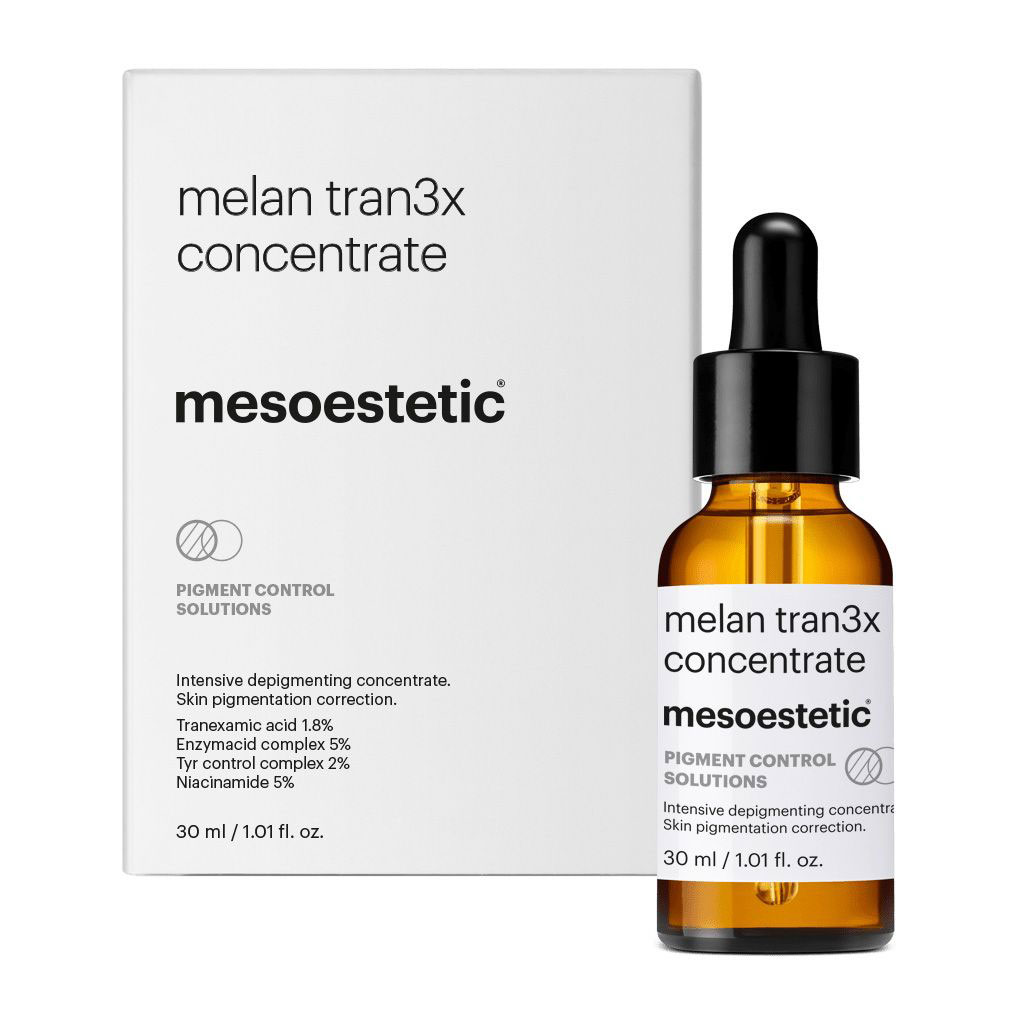
Melan tran3x concentrate

Pigment control agent for daily use that acts on excess epidermal pigmentation by reducing the formed melanin and visibly reducing dark spots. Its ultra-light texture allows you to apply it before your usual cream.

Indicated for reducing pigmentation imperfections of any origin. This solution is safe for all skin types and is suitable after professional pigment control treatments (cosmelan/ dermamelan, IPL, laser, chemical peels, etc.), to boost and maintain results, and prevent pigmentation from rebounding.

Active ingredients: tranexamic acid, enzymacid complex, niacinamide, tyr control complex

Best for: hyperpigmentation 

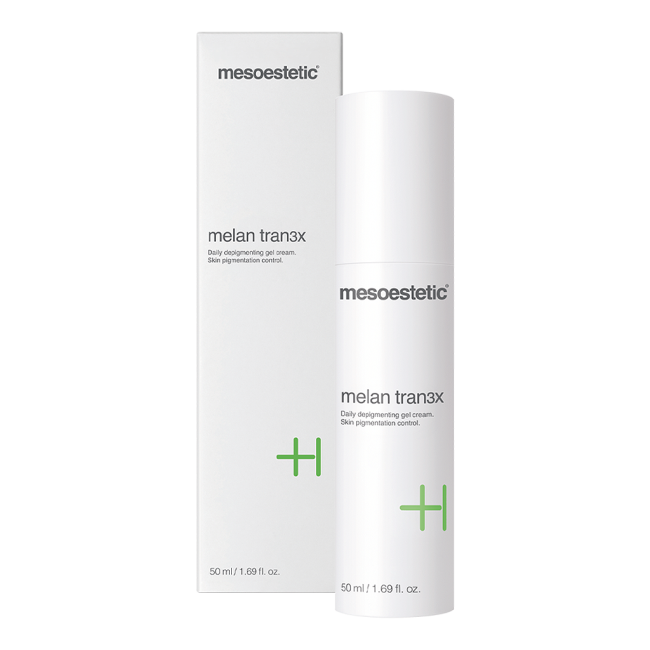
Melan tran3x gel cream

Pigment control cream for daily use that acts gradually on epidermal dark spots to give a more uniform skin tone. It inhibits the mechanisms responsible for pigmentation to prevent the appearance of dark spots and stop them from reappearing. Quickly absorbed light gel cream texture.

Indicated for reducing pigmentation imperfections of any origin. It is safe for all skin types and suitable to use after professional pigment control treatments (cosmelan/dermamelan, IPL, laser, chemical peels, etc.), to boost and maintain the results and prevent pigmentation in the future.

Active ingredients: tranexamic acid, tyr control complex, niacinamide, marine glycogen, hydroxiacid complex

Best for: hyperpigmentation, uneven skin tone

[DISPLAY_ULTIMATE_SOCIAL_ICONS]

October Edition | NUVIOR Canada Ingredient of the month | Alpha-arbutin

What Is Alpha-arbutin


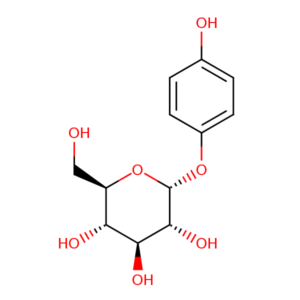
Arbutin is a naturally occurring substance found in plants such as bearberry, cranberry and mulberry that inhibits the development of melanin (the pigment that creates skin colour). Alpha-arbutin is a chemically synthesized variant of plant extract used as a topical skin brightening agent to treat dark spots, pigmentation, and scars caused by UV exposure and breakouts. It also contains antioxidants, which help to protect the skin from UV rays. It’s a common ingredient in anti-ageing creams, along with retinol, to cure age spots, fine lines, and wrinkles.

How It Works

Arbutin stops any extra production of melanin (the pigment that creates skin color). Melanin is produced when an enzyme called tyrosinase makes the amino acid tyrosine, and then the tyrosine gets passed off to cells called melanocytes that convert the tyrosine into melanin. Arbutin disrupts this chain of events by telling tyrosinase to pause on the tyrosine production – without tyrosine, melanocytes have nothing to work with which limits the melanin production in your skin. So there you have it: less tyrosine and less melanin means less pigment, less dark spots, and a more even complexion. 

Benefits Of Alpha-arbutin

By inhibiting tyrosinase activity, alpha-arbutin is known to reduce melanin production in the skin. Tyrosine and melanin levels are lower, which means reduced pigmentation, black patches, and a more even skin tone. Alpha-arbutin can be used to diminish age spots, post-blemish redness and acne. It helps to make you free from freckles or liver spots if you have them.

If your skin is dry and flaky, you can fundamentally profit from arbutin’s effective use. It secures and supports the skin, giving you a smoother, youthful look. Arbutin holds sun protection properties as well since it inhibits the formation of tyrosinase, which causes the skin to darken after exposure to the sun.

Arbutin evens and brightens your complexion making your skin look healthier and vibrant. It can be thought of as a beauty blender – except instead of blending out with foundation, arbutin is literally blending out your actual skin.  It also addresses sugar-induced skin sallowness (yellowness) and loss of elasticity.

For more severe hyperpigmentation and melasma, hydroquinone has traditionally been the ingredient of choice due to it’s strength, but the hydroquinone often used in skin care products is synthetic, aggressive, and can badly damage the skin if used incorrectly (like permanently damage the skin with blueish/greyish splotches). Arbutin is a much safer, more natural derivative of hydroquinone, and topical application of arbutin has been shown to treat melasma as well as severe dark areas. All the power without the bad side effects.

Fun Fact

Alpha-arbutin is great ingredient to be used in combinations.

  • Alpha-arbutin + vitamin C – helps enhance skin glow and even skin tone
  • Alpha-arbutin + niacinamide – both water-based actives form a lightweight skin perfecting duo
  • Alpha-arbutin + ferulic acid –  helps eliminate hyperpigmentation faster and more effectively

Food Sources

Alpha-Arbutin occurs naturally in several different plant species.

Plants with the highest known concentrations are bearberry and mulberry.

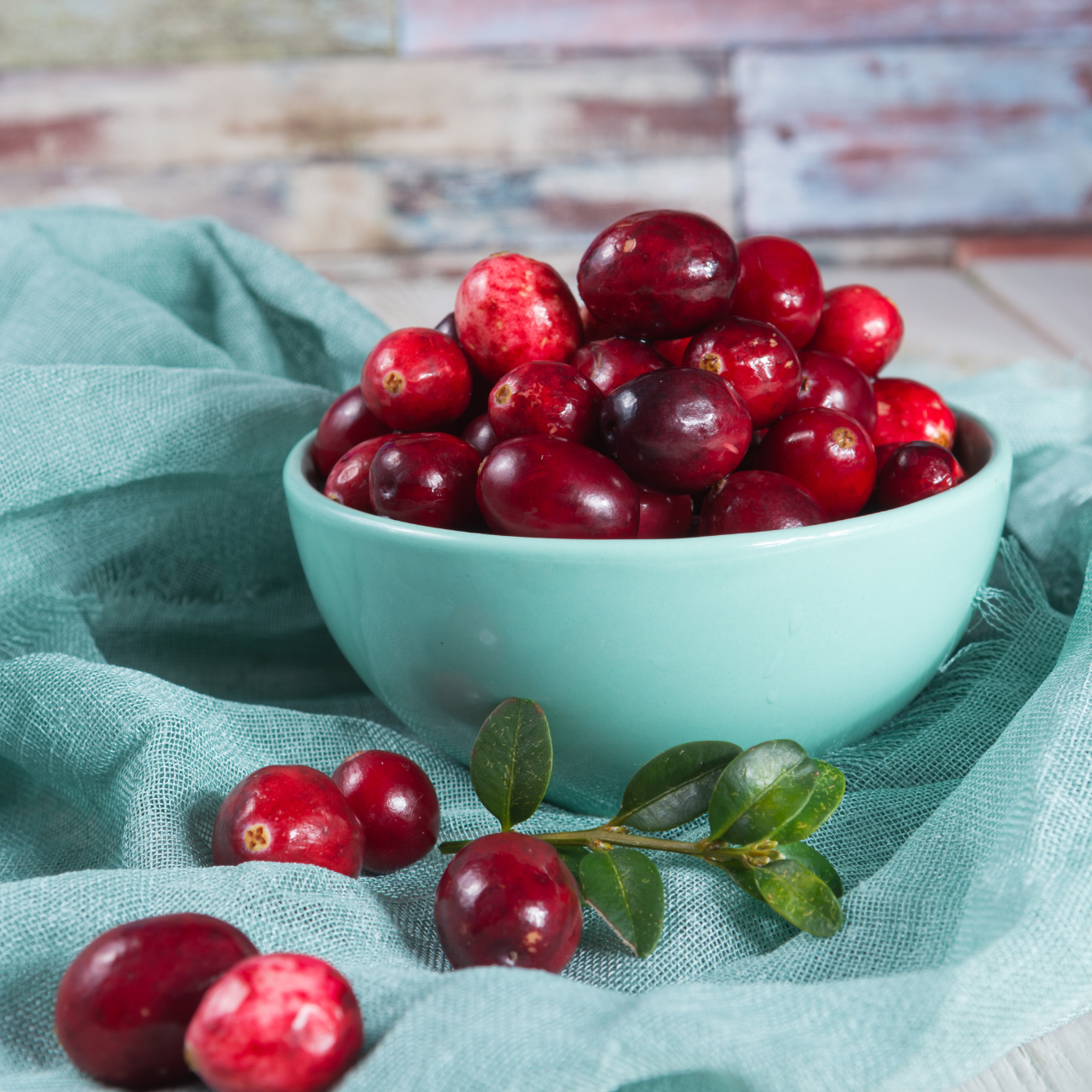
It is also found in blueberry, cranberry, wheat, and pear varieties.

Our Skincare Top Picks

Radiance

Radiance gently exfoliates the skin and restores the skin’s radiance thanks to the synergy of high-performance acids and lightening agents in optimal concentrations. For dull complexion, uneven skin texture and skin tone. Fragrance free.

Active Ingredients: kojic acid, arbutin, niacinamide, salicylic and mandolin acids

Best for: homogenized complexion, reduction of pigment spots, skin luminosity

Yellow cream

Yellow Cream targets and reduces the appearance of dark spots thanks to optimally concentrated lightening agents associated with the exfoliating action of glycolic and salicylic acids. For dark spots, skin imperfections and irregular complexion. Fragrance free.

Active Ingredients: kojic acid, alpha-arbutin, licorice extract, modus alba extract, glycolic and salicylic acids

Best for: dark spots reduction, even complexion
September Edition | NUVIOR Canada Ingredient of the month | Peptides
What Are Peptides


Peptides, also called polypeptides, naturally occur in the skin, but they’re also included in many skincare products — and for good reason.

Peptides are amino acids that make up certain proteins needed by the skin. More specifically, collagen is made of three polypeptide chains, so adding peptides can stimulate your skin to produce collagen. More collagen can lead to firmer, younger-looking skin. The human body produces collagen naturally but over time its production decreases which is why it is important to stimulate its restoration.
How They Work

At their core, peptides are chains of different types of amino acids, like glycine, arginine, histidine. Peptides in skincare products are designed to boost and replenish amino acids, which are the building blocks for collagen production. Since amino acids are the smallest unit of a protein, peptides are able to mimic another type of protein, collagen. And compared  to topical collagen peptides also have a much smaller particle size and can actually be absorbed into your skin.  
Benefits Of Peptides

As it has been noted, several types of peptides are able to enhance collagen production. They do this by acting as messengers in the skin, signaling your cells to produce more collagen, elastin, and keratin.

The skin barrier is the body’s line of defense against bacteria, ultraviolet rays, pollution, and other toxins. The skin barrier can be damaged from over-exfoliation, exposure to cigarette smoke and other pollution, or even poor sleep. Peptides help build up a stronger barrier. 

Peptides can enhance the plumpness of skin and lips. When skin is firmer and plumper, wrinkles and fine lines become less visible. In addition to collagen, peptides also make up elastin fibers, another type of protein. These fibers make skin look firmer and tauter. Some peptides also have evidence of easing inflammation, repairing damaged skin, and evening out skin tone.

Some clinical data suggests that certain peptides are capable of inhibiting aging-related enzymes in the connective tissues of our skin that break down collagen, elastin, and hyaluronic acid (all of which can be very helpful in preventing and treating aging-related signs!). Given all of the above, peptides can help you at any stage of your healthy aging skincare journey. If you are interested in helping your skin act younger for longer, peptides are an excellent ingredient to fold into the arsenal. 

Fun Fact

Peptides are also major helper when it comes to improving the condition of your hair. Scalp inflammation can negatively affect the growth of your hair, leading to hair thinning and hair loss. Since peptides target and heal inflammation, they’re a great addition to any hair (or lash care) product.

Food Sources

Keep in mind that peptides are naturally found in many foods, including:

  • Meat
  • Fish and shellfish
  • Beans and lentils
  • Soy
  • Oats
  • Flaxseed
  • Hemp seeds
  • Wheat

Our Skincare Top Picks

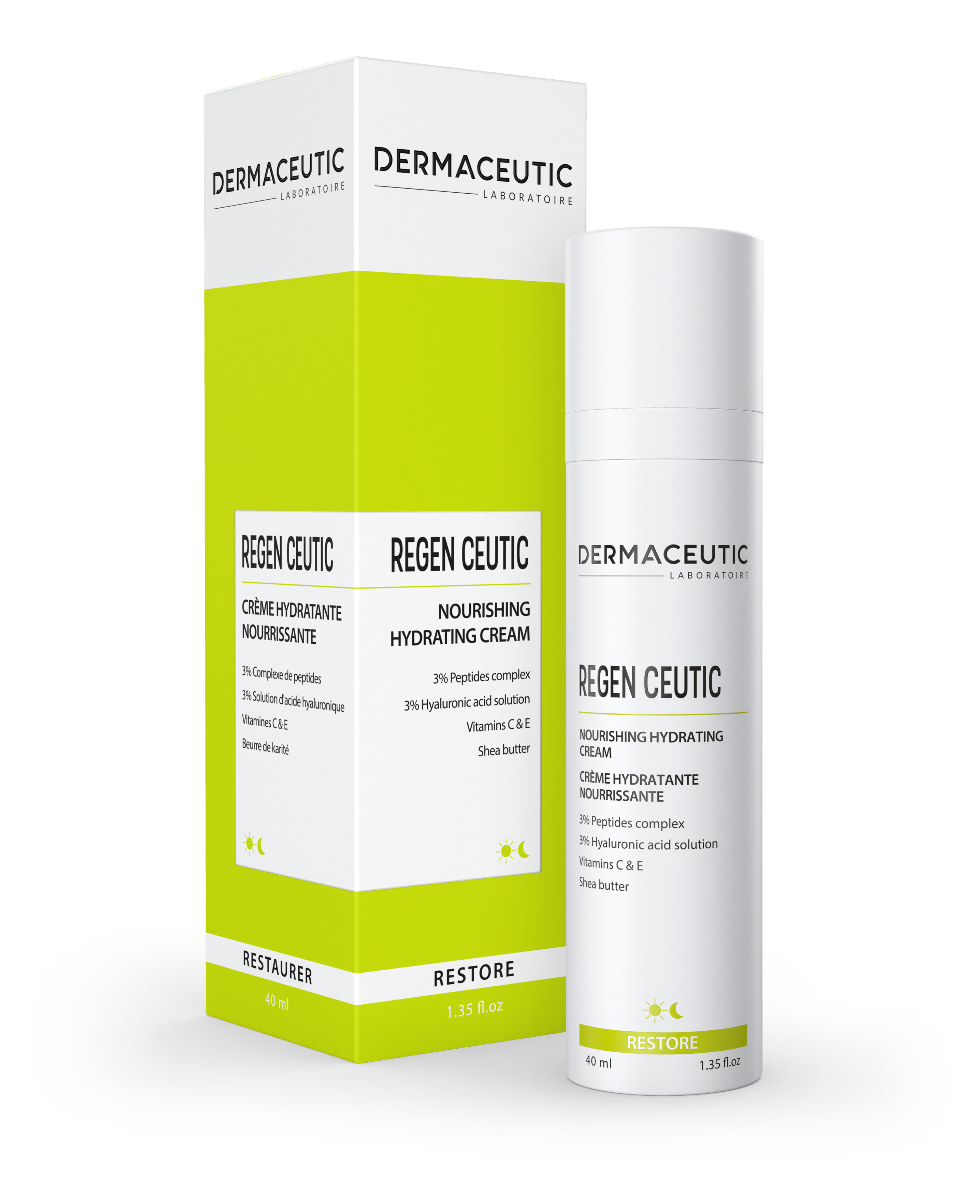
Regen Ceutic

Regen Ceutic nourishes and firms the skin thanks to its peptides complex. The addition of hyaluronic acid and powerful antioxidants boosts the skin’s natural power to protect and repair itself. Prevents signs of skin aging. For aged and dry skin. All skin types. Fragrance-free.

Active Ingredients: 3% peptides complex, 3% hyaluronic acid solution, vitamin C ester & vitamin E, shea butter

Best for: skin restoration and protection, anti-aging effect 

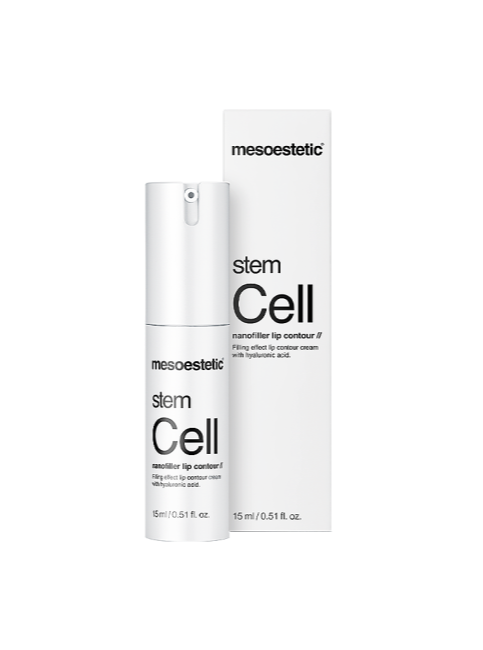
stem cell nano filler lip contour

The first filling effect cream based on plant stem cell extract and hyaluronic acid specifically designed for the treatment of the delicate lip contour area. This unique combination acts synergistically and provides a twofold effect: regenerator (the plant stem cell extract stimulates collagen and elastin production, prolonging cell life) and filler (hyaluronic acid fills the thinner areas, providing support to the cells created).

Active Ingredients: hyaluronic acid, plant stem cell extract

Best for: cell regeneration, improving skin quality, texture, and look of the lips and surrounding skin

[DISPLAY_ULTIMATE_SOCIAL_ICONS]

August Edition | NUVIOR Canada Ingredient of the month | Hyaluronic Acid

What Is Hyaluronic Acid


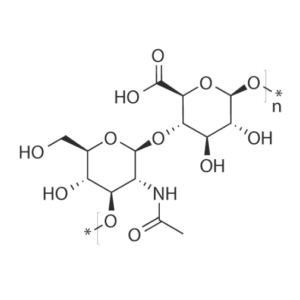
Hyaluronic acid, also known as hyaluronan, is a clear, gooey substance that is naturally produced by the body. The largest amounts of it are found in the skin, connective tissue and eyes. Its main function is to retain water to keep tissues well lubricated and moist. Over time, body’s stores of hyaluronic acid decline. Age is one reason, but other factors, such as smoking and air pollution, also accelerate this process. The good news is that topical products that feature hyaluronic acid can help rebuild those depleted stores.

How It Works

Hyaluronic acid attracts and binds to water molecules and increases the water content of the skin. Poorly hydrated skin is unable to maintain an appropriately intact skin barrier, leaving the skin more vulnerable to damage from external and environmental sources. Skin aging is associated with loss of skin moisture, and hyaluronic acid is the key ingredient when it comes to combating or reversing these signs.

Benefits Of Hyaluronic Acid

Hyaluronic acid acts as humectant which means it will continue to draw in and hold onto moisture after it is collected. Humectants allow hydrogen bonding and attract water. Over time, this can help slow down the the deterioration of the lipid barrier and help protect and fortify it.

When the lipid barrier is further enhanced and protected by hyaluronic acid, the skin is better able to defend itself against environmental age-factors and pollutants. When it’s not fighting these toxins, the skin remains less wrinkled, brighter, and bouncier longer. Hyaluronic acid is not going to replace elastin but, it can help with the appearance of tightness in the skin.

As it fills the skin with moisture, hyaluronic acid tightens the overall complexion. It helps firm facial contours for a more youthful appearance. Moreover, hyaluronic acid helps reduce the visibility of fine lines and wrinkles retaining moisture to the skin, creating a plumping effect. When the skin is protected and hydrated, increased skin cell production can take place, as the skin isn’t busy fighting for hydration. This leads to smoother, plumper skin cells.

Hyaluronic acid also helps promote skin cell regeneration by offering extra hydration and barrier protection to the skin. This naturally leads to healthier cells and a more vibrant complexion. And when there is increased cell turnover it helps reducing and preventing age spots and pigmentation issues.

Fun Fact

When oily skin is stripped of hydration it overcompensates to hydrate the skin by producing oil. A big misconception is that oily and acne prone skins don’t need hydration, but in fact, they do. By promoting proper moisture balance in the skin, hyaluronic acid prevents the over-production of oil that clogs pores and causes breakouts.

Food Sources

Hyaluronic acid can be found in certain foods. Plus, some of them provide nutrients human body uses to boost hyaluronic acid production. Here are 7 healthy foods that are high in hyaluronic acid or its building blocks:

  • bone broth
  • oranges
  • tofu
  • kale
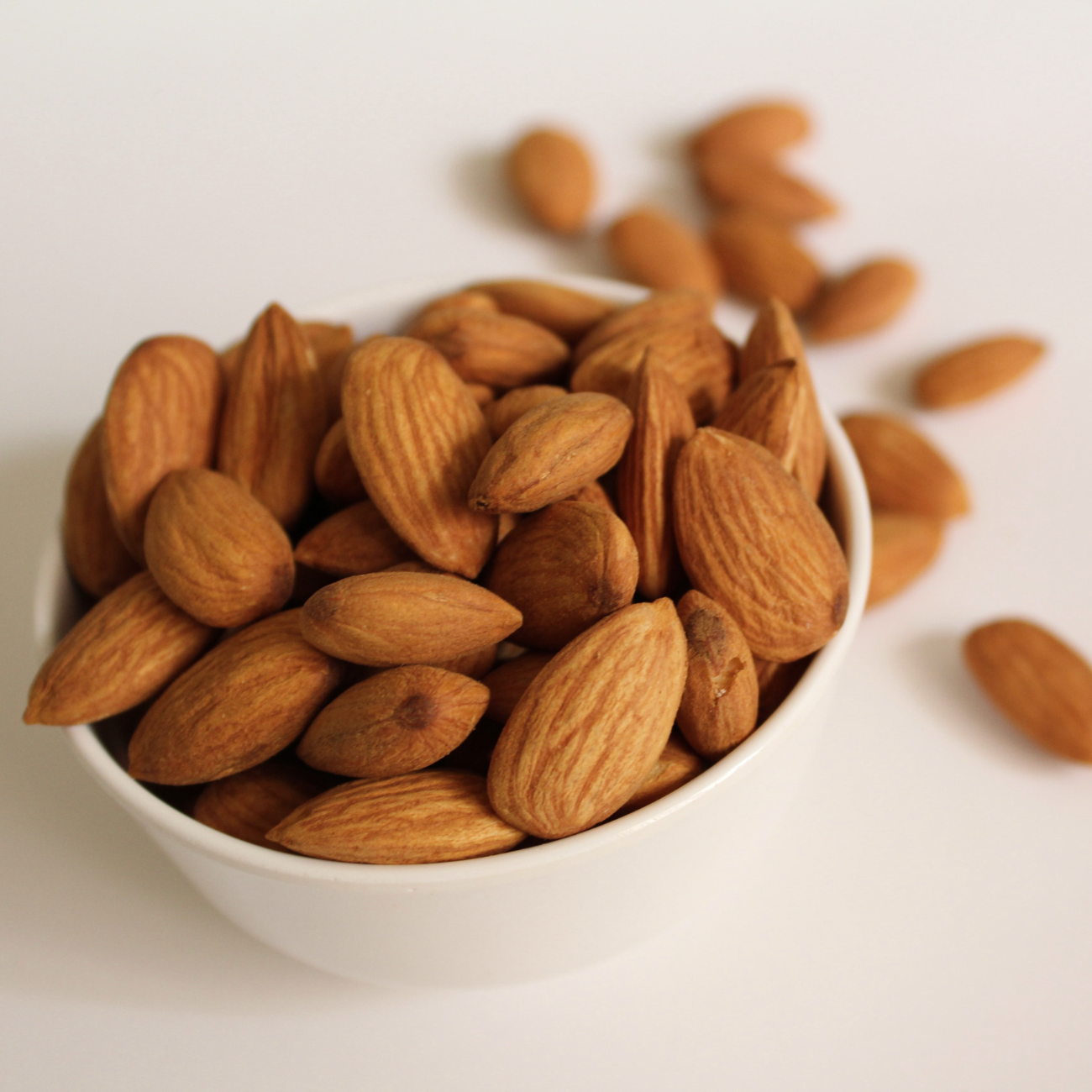
  • almonds
  • edamame (a type of immature soybean)
  • sweet potatoes

Our Skincare Top Picks

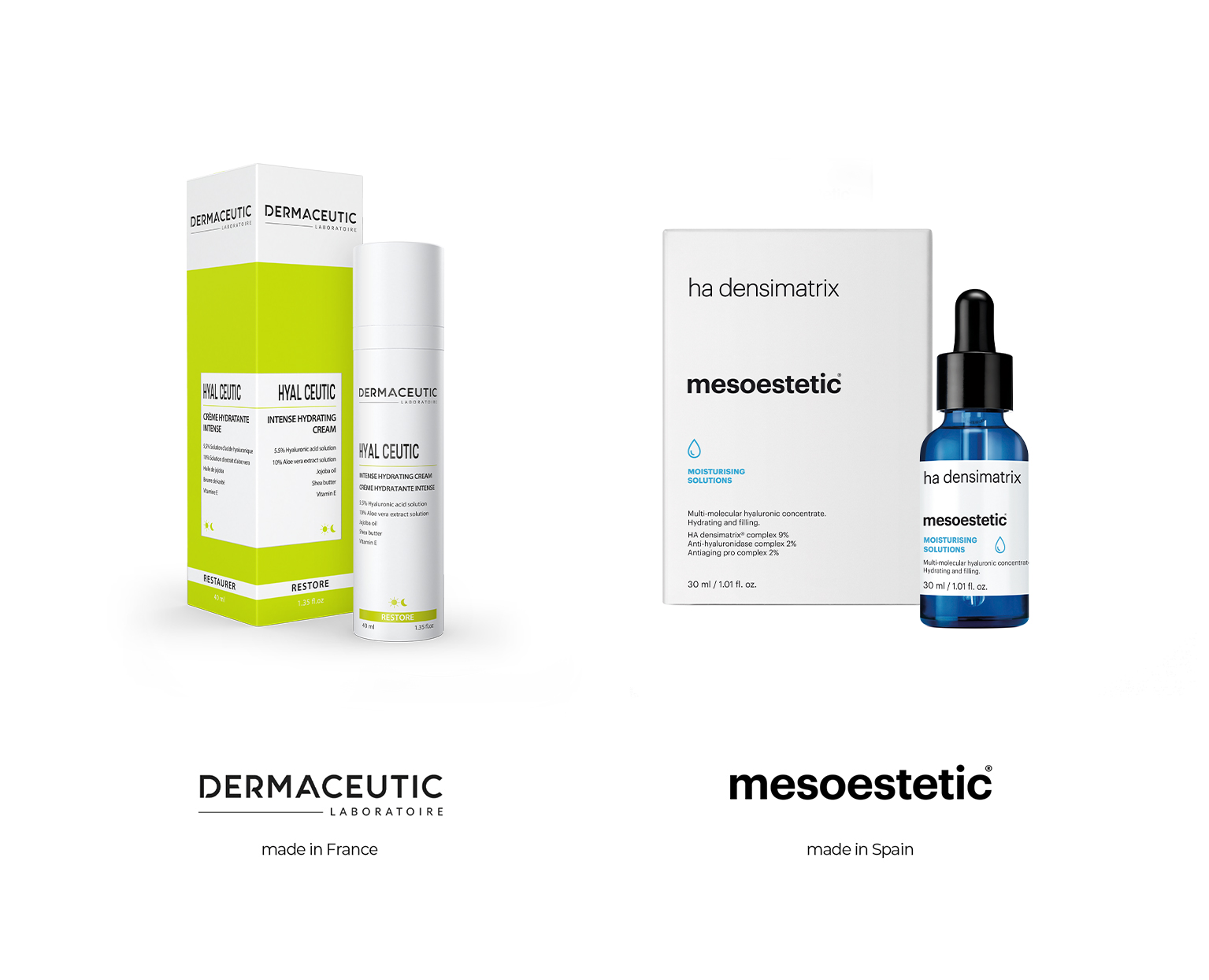
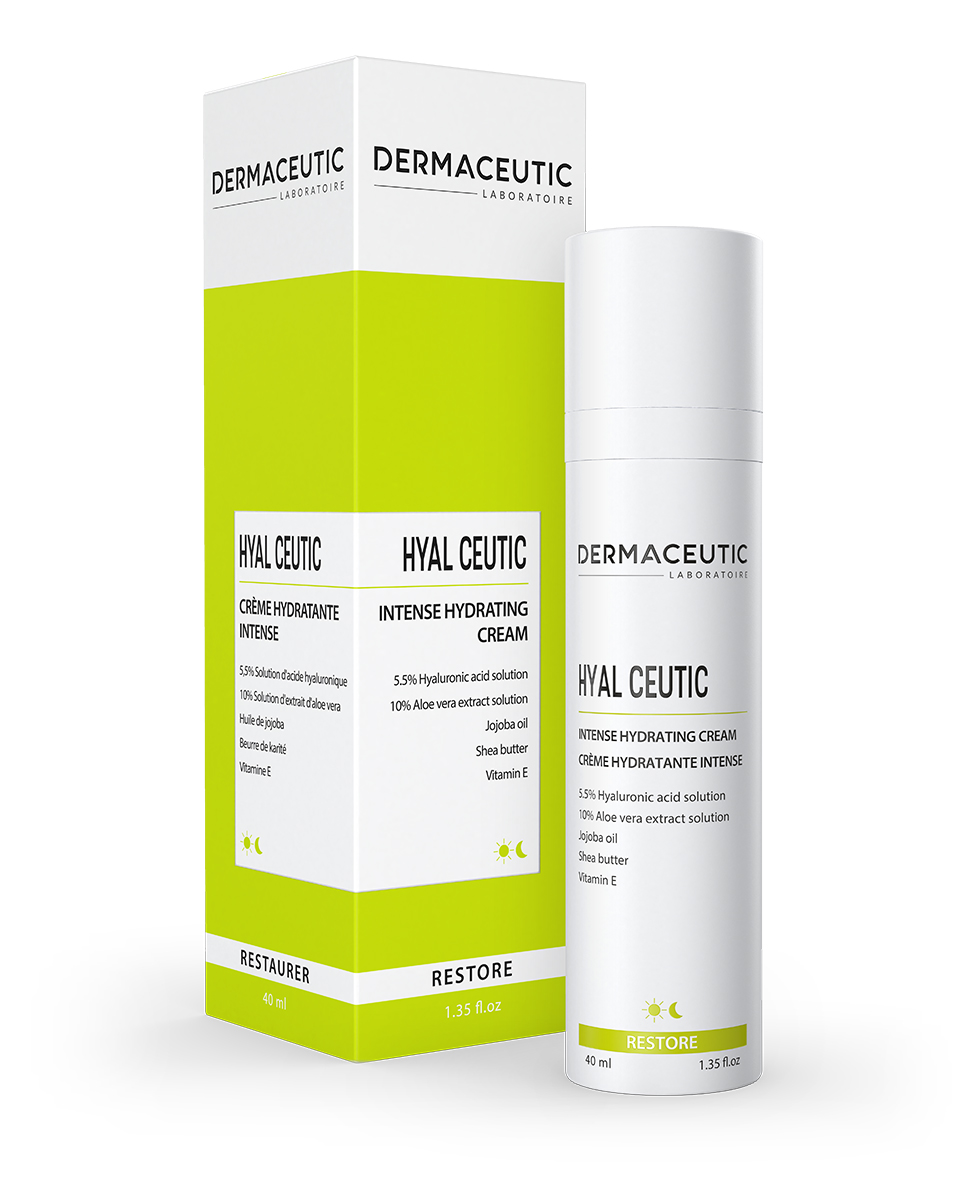
Hyal Ceutic

Hyal Ceutic intensively hydrates and protects the skin all day long thanks to an optimal concentration of high and low molecular weight hyaluronic acids. A combination of powerful ingredients including aloe vera enhances its soothing and repairing action. Prevents signs of skin aging. Anti-pollution action. For dehydrated skin and the first signs of skin aging. All skin types, ideal for oily to combination skin. Fragrance-free. Hypoallergenic.

Active Ingredients: 5.5% hyaluronic acid solution, 10% aloe vera extract solution, jojoba oil, vitamin E ester, shea butter

Best for: Providing non-oily, long-lasting hydration. Suitable for all skin types, including oily/acne-prone.

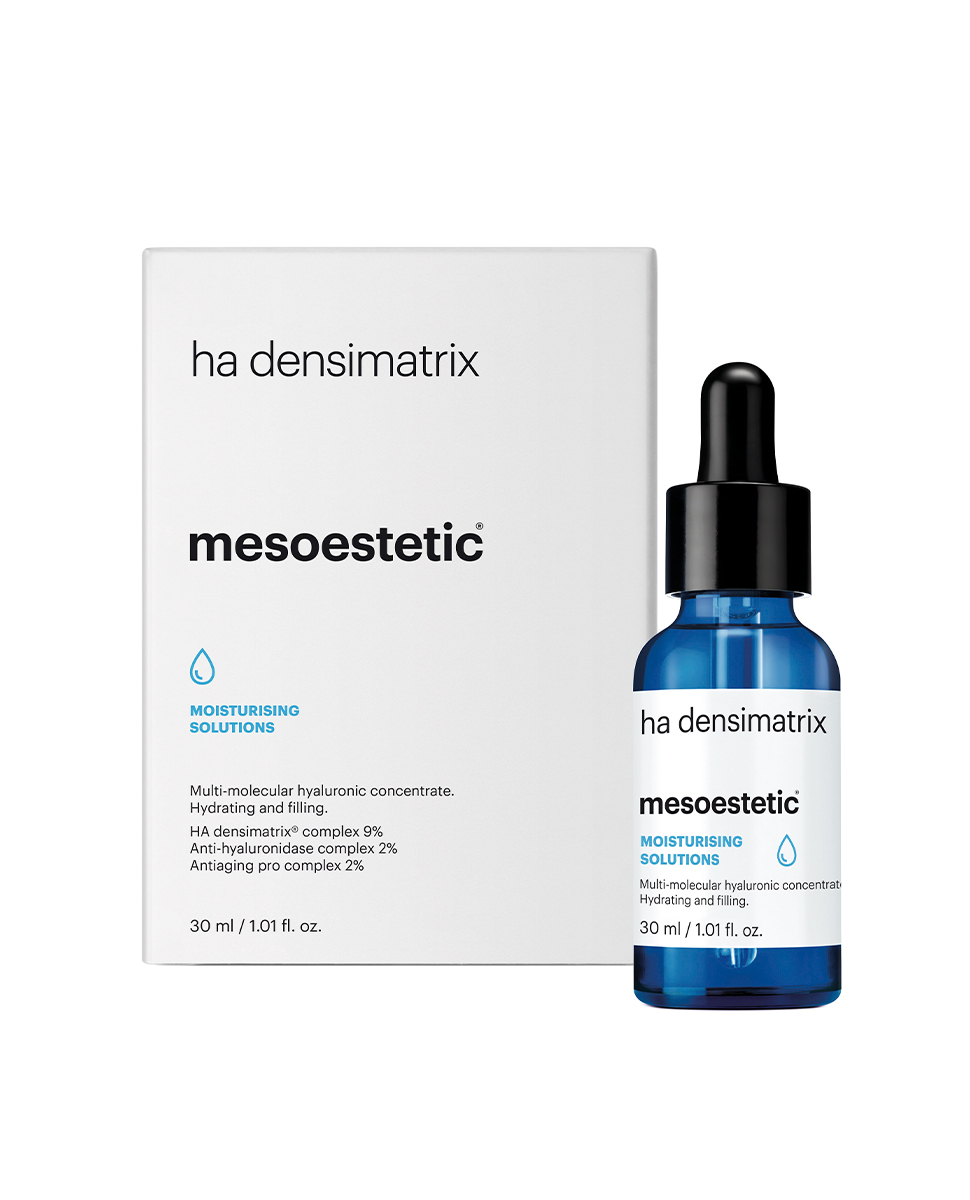
ha densimatrix

Intensive concentrate that combines hyaluronic acid in several molecular structures for penetration at different levels. Provides anti-aging, plumping and filling action. Suitable for all types of skin. It contains ha densimatrix complex, a combination of HA (cross-linked, high, middle and low) for a long-lasting deep moisturizing. The action of anti-hyaluronidase complex protects from HA degradation and blocks the action caused by external aggressions. Antiaging pro complex promotes collagen and elastin synthesis to provide the skin with firmness and elasticity.

Active Ingredients: hyaluronic acid, anti-aging pro complex, anti-hyaluronidase complex

Best for: Perfect for all ages and suitable for all skin types! Give it a try ;).

[DISPLAY_ULTIMATE_SOCIAL_ICONS]

Filter products

BRAND
NU LAB
CONCERN
INGREDIENT
PRODUCT TYPE
SKIN TYPE
TREATMENT AREA

Filter
Close
Cart
Lost your password? Please enter your username or email address. You will receive a link to create a new password via email.
×